Why basements in Herriman get mold
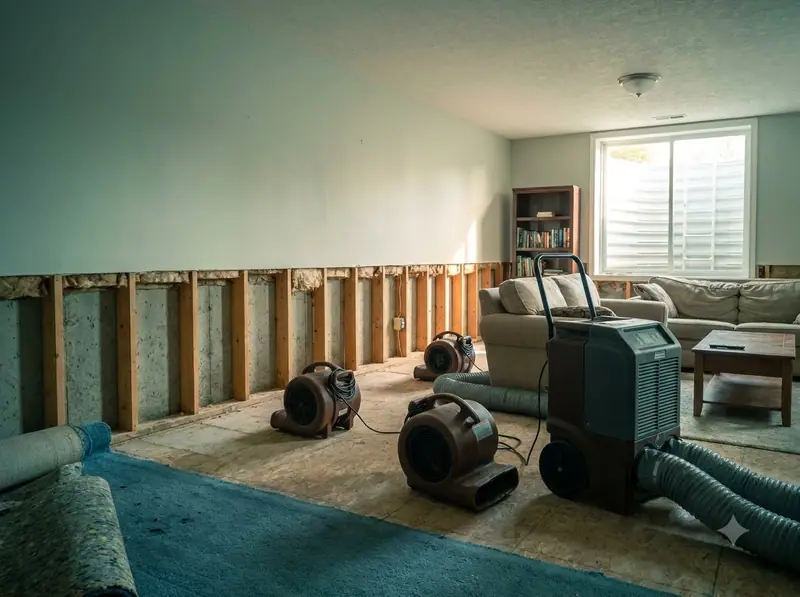
Basements are the lowest, coolest and least ventilated part of a home, which makes them the first place water collects and the last place it dries. In Herriman a few local patterns show up again and again:
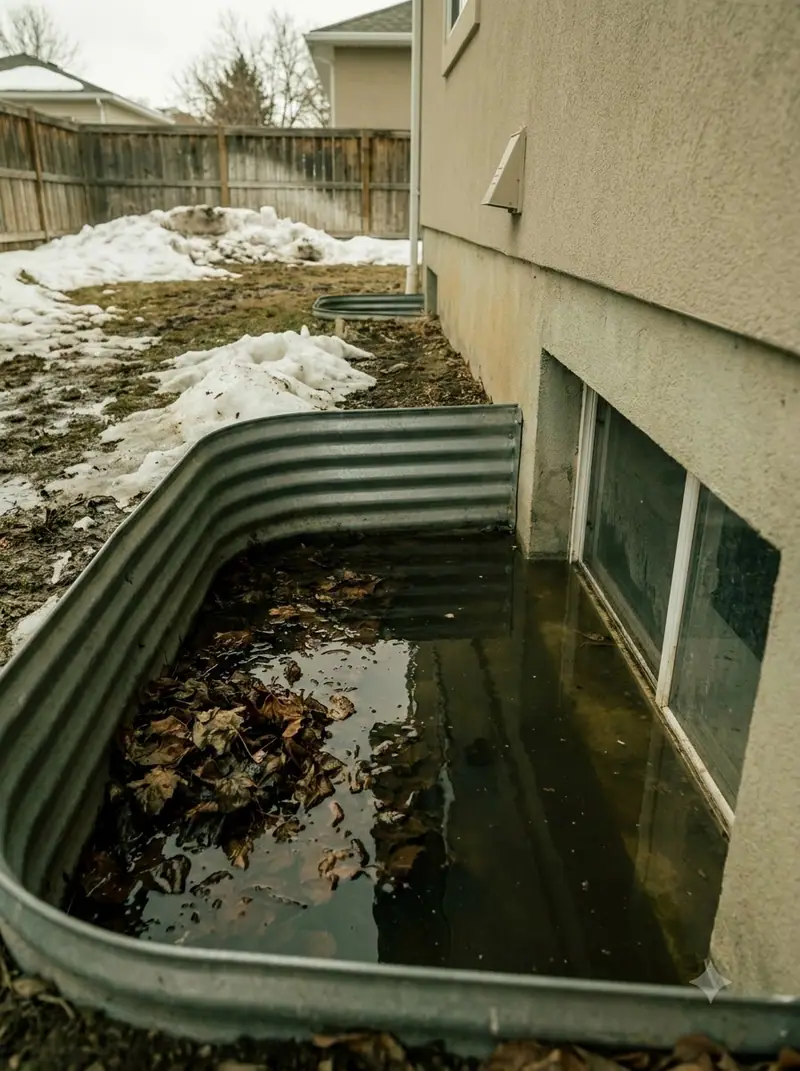
- Window wells that fill up. Snowmelt, sprinkler overspray and storm runoff collect in window wells. If the well's drain is clogged or missing, water rises against the basement window and leaks in around the frame.
- Foothill lots and grading. Many Herriman neighborhoods, including Rosecrest, sit on the slope of the Oquirrh foothills. When a yard is graded toward the house, or settles over time, water from uphill ends up at the foundation.
- Summer thunderstorms. KSL.com has reported cloudbursts sending runoff from nearby fields into Herriman basements, in one case deep enough to break a basement window.
- Water heaters, furnaces and laundry. Basement mechanical rooms hold the appliances most likely to leak, and the drywall around them is usually unfinished on one side where you can't see it.
- Summer condensation. Cool concrete walls and floors can collect condensation when humid air meets them, especially with a swamp cooler running upstairs.
Signs of mold in a finished basement
- A musty smell that's strongest in one room, usually a bedroom or storage room on an exterior wall
- Staining, bubbling paint or soft drywall along the bottom few inches of walls
- Carpet that feels damp or smells after a storm, even if it dried on the surface
- Rust or water lines on the bottom of window frames or on the floor of the window well
- White, powdery deposits on concrete (efflorescence), which show moisture moving through the foundation
- Mold on the back of stored boxes, furniture or baseboards against exterior walls
What basement mold removal involves
Most Herriman basements are finished with drywall over wood-framed walls, with carpet and pad on the concrete slab. That construction traps moisture, so remediation usually opens things up:
Moisture mapping
We check drywall, bottom plates and carpet with moisture meters to find the wet edge, which is often wider than the visible stain.
Containment
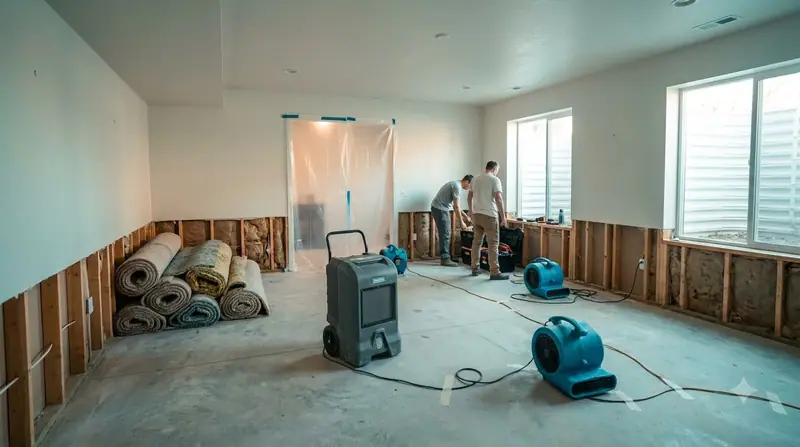
Our crew seals the affected room off from the rest of the basement and the stairwell, usually under negative air pressure with HEPA filtration.
Flood cuts and removal
Drywall is cut above the wet line, often 2 to 4 feet up depending on readings, and wet insulation, baseboards, carpet and pad are removed and bagged.
Cleaning structural materials
Studs, bottom plates and the concrete slab are HEPA-vacuumed and cleaned. Framing with surface growth is cleaned rather than replaced when it's sound.
Drying
Dehumidifiers and air movers run until the framing and concrete reach normal moisture levels. That can take several days.
Verification and rebuild
After a final check and, where needed, clearance testing, the walls and flooring go back in.
If the water is still coming in, or the basement flooded within the last day or two, start with water damage and mold cleanup. Drying fast is what keeps a water problem from turning into a mold problem.
Stopping basement mold from coming back
Remediation fixes the growth, and the source fix is what keeps it gone. Depending on what caused the water, that can include:
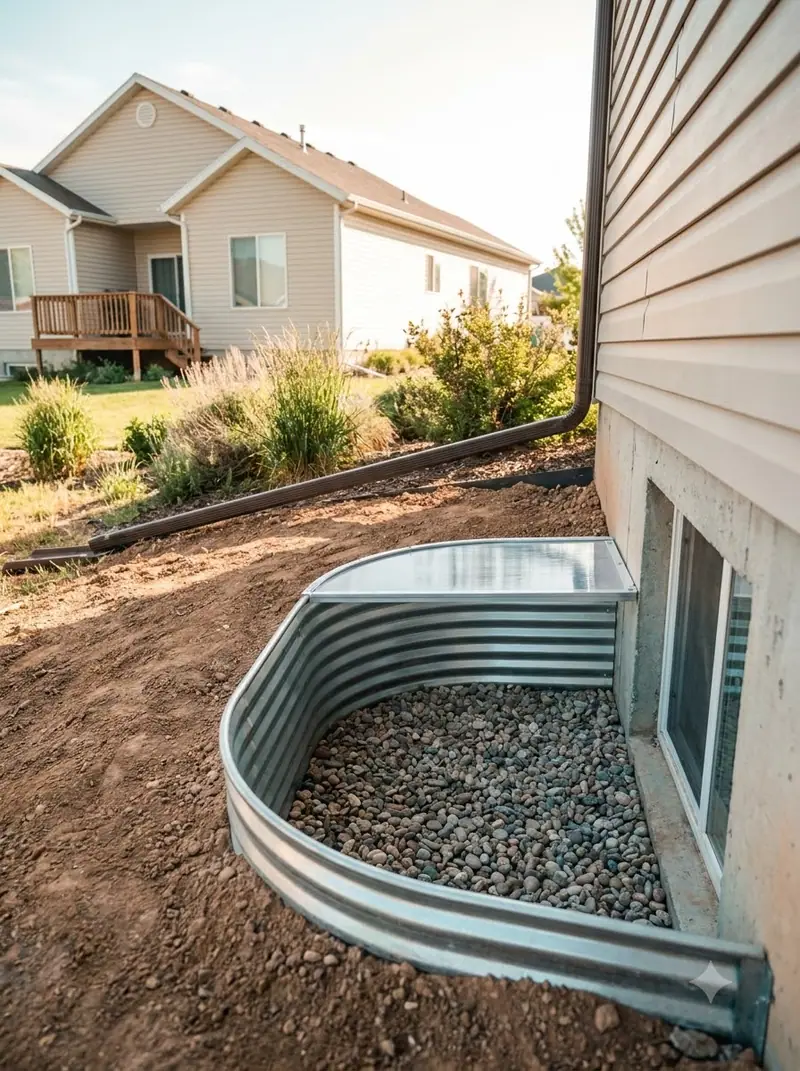
- Clearing or adding window well drains, and fitting well covers that shed snow and rain
- Regrading soil so it slopes away from the foundation, and extending downspouts
- Adjusting sprinkler heads that spray at the foundation or into window wells
- Repairing foundation cracks or adding drainage, usually by a waterproofing contractor
- Replacing an aging water heater, and adding a drain pan or leak alarm
- Running a dehumidifier in summer to keep basement humidity under 50 percent
Some of these fall within our work and some belong to other trades. Your written estimate lists which parts are in our scope.
Basements in older and newer homes
In established neighborhoods, such as parts of Riverton that date back to the late 1960s, basements may have older foundations, original window wells and decades of remodeling layers. Newer Herriman builds tend to have tighter envelopes and finished basements from day one, which means moisture problems can stay hidden behind drywall longer. Either way, the fix starts with finding the water, and that is the first thing our team checks as a local mold removal company in Herriman.
What affects the cost of basement mold removal
The main factors are how many square feet of wall and floor are affected, how high the flood cuts need to go, whether insulation and carpet need replacing, how long drying takes, and what the source repair involves. Rebuild costs for drywall, paint, trim and flooring are often separate. We give you a written estimate once we've taken readings. For broader context on Herriman mold removal, including when a small job is safe to handle yourself, see our main guide.
Frequently asked questions
Is basement mold common in Utah even though it's dry?
Yes. Outdoor air is dry, but basements are cool and below grade, and they collect water from snowmelt, storms, sprinklers and appliance leaks. Once drywall or carpet stays damp for a day or two, mold can start. Dry climate doesn't protect a wet basement.
Can I just replace the carpet if my basement smells musty?
Maybe not. A musty smell often comes from the back of the drywall, the bottom plates of the walls or the carpet pad, not just the carpet. Replacing the carpet without checking moisture in the walls can leave growth behind. Get moisture readings first.
How long does basement mold remediation take?
Many basement jobs take several days: setup and removal, then drying time for framing and concrete, then verification. Rebuilding drywall and flooring adds time after that. Larger flooded basements take longer. We give you an expected timeline with the estimate.
Will a dehumidifier get rid of basement mold?
No. A dehumidifier helps prevent mold by keeping humidity down, and it's useful after remediation. It won't remove growth that's already in drywall, carpet pad or insulation. Those materials need to be removed or cleaned and the water source fixed.
Who fixes the window well or grading problem?
It depends on the problem. Some fixes can be part of our work, while larger drainage, grading or foundation jobs usually belong to a waterproofing contractor or landscaper. Your written estimate lists what's included so the moisture source doesn't get left out.